In Water Damage Restoration, The Company That Calls Back First Wins

Meric Karpat · Founder & CEO
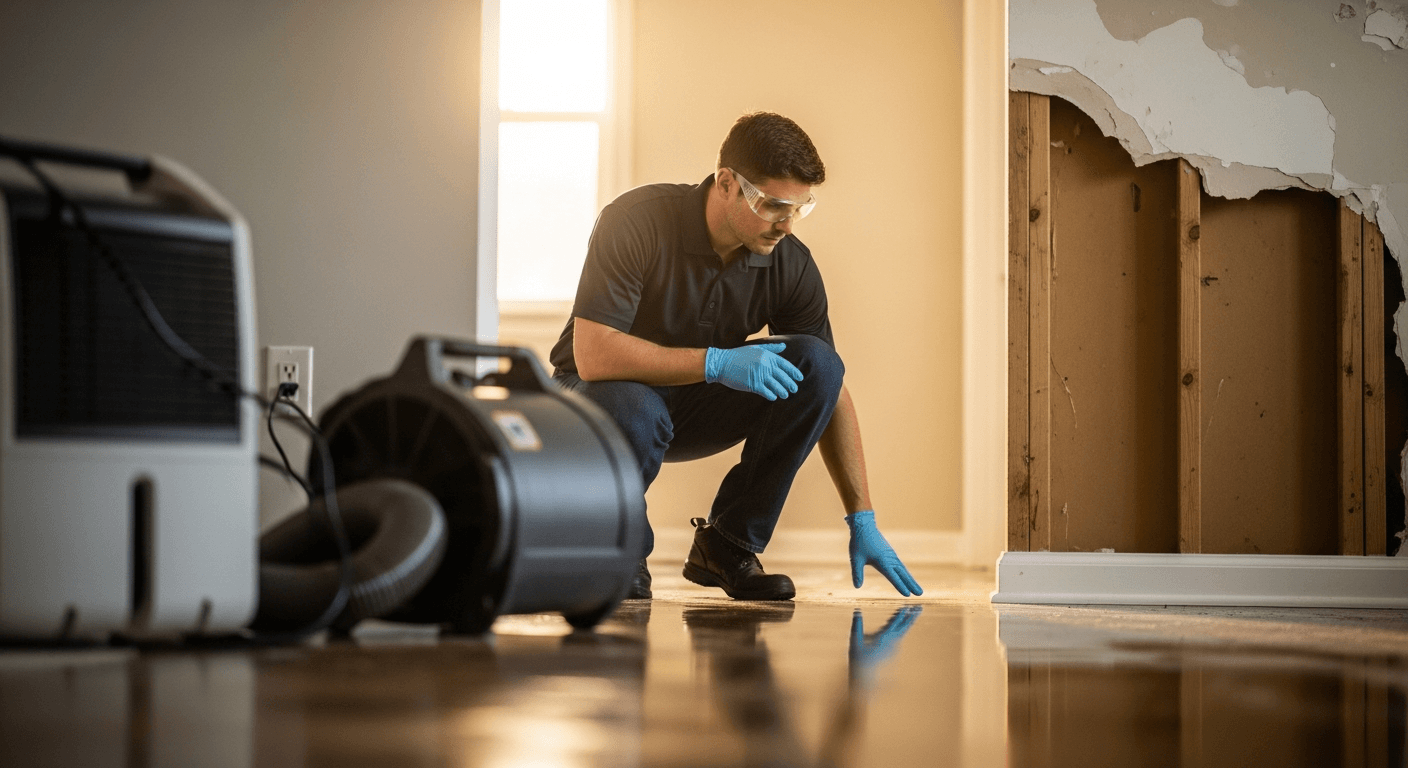
It's 2:17 AM. A homeowner wakes up to the sound of water gushing from a burst pipe in the ceiling. The master bedroom is flooding. Drywall is sagging. Panic sets in.
They grab their phone and Google "emergency water damage restoration near me." They call the first three results. The first two go to voicemail. The third picks up immediately, dispatches a crew, and has equipment running by 4 AM.
That third company just landed a $8,000 job because they answered the phone. The other two will wake up to a voicemail they'll never get paid for.
Restoration Is a Speed Game
Water damage restoration isn't like scheduling a routine repair. It's an emergency. Every minute counts — for the homeowner's property AND for your business.
Here's what makes restoration uniquely time-sensitive:
- The damage gets worse every minute. Mold starts growing within 24-48 hours. Homeowners know this. They're not waiting until morning to find help.
- Insurance requires fast response. Most policies expect mitigation within hours. Homeowners are motivated to act immediately.
- Average job value is massive. Water damage restoration averages $3,000–$10,000. Insurance-covered jobs can run $10,000–$50,000+. One missed call = one lost project worth more than most businesses make in a week.
- Customers call multiple companies. They're not loyal to one company in an emergency. They're calling 3-5 businesses and going with whoever answers first.
The 2 AM Problem
Here's the brutal truth about the restoration business: your highest-value calls come at your worst hours.
Pipes burst in the middle of the night. Storms hit on weekends. Water heaters fail on holidays. The calls that represent $10,000+ jobs are the ones that come when you're asleep, at dinner, or already on another job site running dehumidifiers.
If your phone goes to voicemail at 2 AM, that homeowner is calling someone else by 2:18 AM. They're not leaving a message and patiently waiting. They're standing in two inches of water in their living room. They need help now.
The Numbers Don't Lie
Let's quantify what this looks like for a typical restoration company:
- Average emergency calls per week: 8-12
- Calls that come after hours (nights/weekends): 60-70%
- Average job value: $7,500
- Calls missed per week (industry average): 3-5
That's $22,500–$37,500 per week in potential lost revenue. Over a year, that's over $1 million in jobs that went to the company that picked up the phone.
Even capturing just one additional emergency call per week at the average job value adds $390,000/year to your revenue.
Why Traditional Solutions Fall Short
Voicemail: In an emergency, nobody leaves one. They call the next number. Your voicemail greeting is basically a sign that says "Call my competitor."
On-call rotation: Works until your on-call tech is on a job site, asleep, or burned out from 3 AM wake-ups. Human on-call systems have reliability problems — and one missed call during a storm event costs more than a month of any alternative.
Answering services: Generic operators reading scripts don't inspire confidence from a panicking homeowner. They can't answer "How fast can you get here?" or "Do you work with State Farm?" And at $1-2 per call, costs spike during the storm events when you need them most.
The First-Response Advantage
Smart restoration companies have figured out the formula: answer every call, instantly, 24/7. When a frantic homeowner calls at 2 AM, they hear a professional greeting, get asked the right questions (What happened? How bad is the damage? What's your address? What insurance do you have?), and get reassured that help is on the way.
Meanwhile, you get an instant text message with every detail:
"Emergency: Kitchen ceiling collapsed from upstairs bathroom leak. 3 rooms affected. State Farm policy. Homeowner: David Chen, 892 Maple Drive. Needs crew ASAP. Call: (555) 876-5432."
You call David back in minutes. He's already relieved because someone answered. You dispatch your crew. By 3 AM, you're on site. That's a $12,000 job that your competitor lost because their phone rang five times and went to voicemail.
The ROI Math for Restoration
Let's keep this simple. An automated phone solution that answers every call 24/7 costs roughly $49–$99/month. One additional captured job per month is worth $3,000–$10,000+.
That's a 30x–200x return on investment. There is no marketing channel, no advertising spend, no equipment purchase that comes close to this ROI.
You already have the calls coming in. You already have the skills, the equipment, the crew. The only thing between you and that revenue is an unanswered phone.
Stop Losing Jobs to Your Voicemail
In restoration, the fastest company wins. Not the cheapest. Not the one with the most trucks. The one that picks up the phone.
Make sure that's always you.
Frequently Asked Questions
How much does a water damage restoration answering service cost?+
Heyfield starts at $49 per month with no setup fees or contracts. For a water damage restoration company where the average emergency mitigation job runs $3,000–$8,000 and full rebuilds hit $25,000+, one captured after-hours flood call pays for over 40 years of service. Compare that to hiring a 24/7 dispatcher at $45,000–$60,000 annually who still takes breaks and can't instantly scale when multiple properties flood at once.
Can I keep my existing business phone number?+
Yes. You forward your current number to Heyfield when you're on a mitigation job or extracting water, and disable forwarding when you're available. Your customers always dial the same number. Most restoration companies set conditional forwarding so it routes automatically after one ring or during active jobs when you're wearing PPE and can't safely answer a phone covered in floodwater.
What if the AI mishears a customer say 'Category 3 black water' or 'structural drying'?+
Heyfield is trained on restoration terminology including water categories, loss types, and mitigation protocols. It repeats key details like clean water versus sewage backup, basement flood versus roof leak, and number of affected rooms back for confirmation. You review the full text summary before calling back, so no misheard scope ever sends your crew with standard air movers when the job actually requires full containment and biohazard protocols.
Does it answer calls after hours and on weekends?+
Yes, and that's where water damage restoration lives or dies. A pipe bursts at 2 AM on a Sunday or a washing machine floods at 10 PM on a holiday and the homeowner calls immediately. Heyfield answers at any hour, captures the water source and affected area, and texts you instantly. You dispatch within minutes while your competitor's phone rings to voicemail and the customer moves to the next restoration company on Google.
Can it handle true emergencies like burst pipes and flooding while I'm already on another extraction job?+
Yes. Heyfield triages calls by asking whether water is actively flowing, how many rooms are affected, and whether electrical systems are compromised. It flags Category 3 sewage backups and second-story leaks as highest urgency, while capturing standard drying estimates for scheduled follow-up. You know before calling back whether you're grabbing your extraction truck for an active flood or scheduling a moisture inspection for the morning, even when you're already running dehumidifiers on another property.
Ready to stop missing calls?
Try Heyfield free for 7 days. Your AI receptionist answers every call, collects customer details, and texts you the summary.
Keep Reading
Why Welding Shops Can't Risk Answering Their Own Phones
Sparks fly, face shields go down, and phone calls go to voicemail. How safety-first welding shops lose business to missed calls.
ReadPool Service Owners: Every Missed Call Costs You $900
Pool season is short and winterization is now. One missed call can cost you a full-season client worth $900+. Here's how solo pool service pros stop losing jobs to voicemail.
Read