Answering Service for Pest Control: Capture Spike Calls

Meric Karpat · Founder & CEO
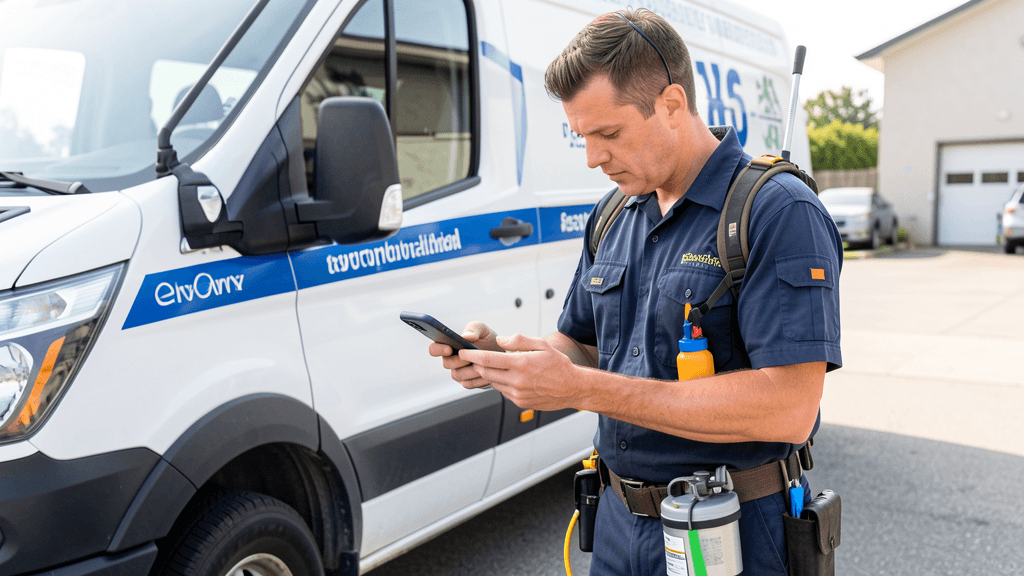
Up to 40% of inbound calls to small home-service businesses go unanswered during business hours, according to a 2023 Marchex study of 3 million call records across service industries. For a pest control operator averaging 18 weekly calls during spring surge season, that is 7 missed opportunities every week, and only 19% of those callers leave a voicemail, per the same study. The rest dial the next company on the Google results page.
If you are searching for an answering service for pest control, you have likely hit one of two walls: calls flooding in during the March-to-June termite and ant season faster than your two-tech crew can answer them, or after-hours pest control calls about wasp nests and rodent intrusions that go to voicemail at 9 PM when no one is in the office. This guide to pest control call answering breaks down the four options pest control operators actually weigh, with real pricing and honest tradeoffs, so you can choose what fits your shop without overspending.
Why Pest Control Calls Spike Harder Than Other Trades
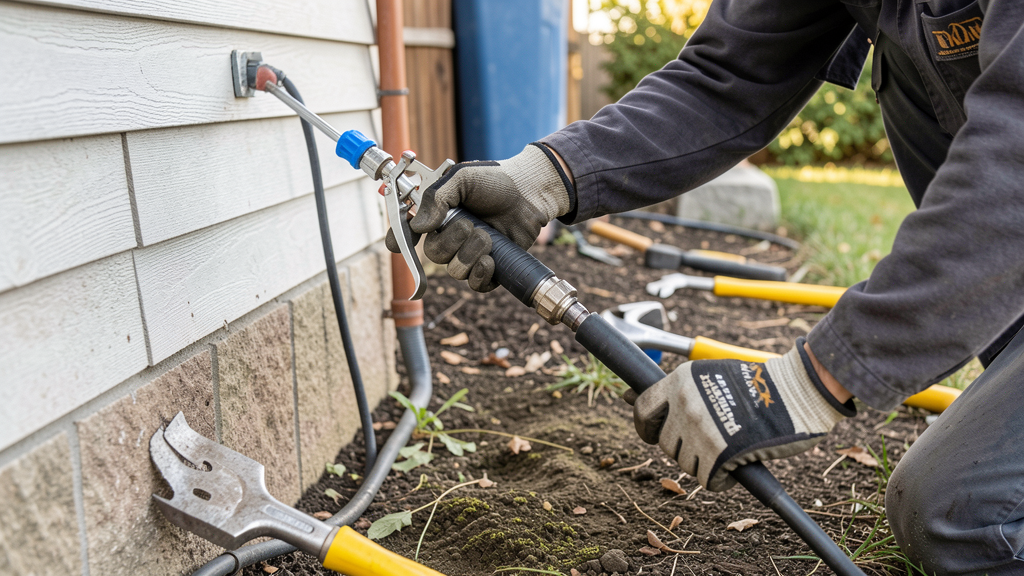
Pest control has a unique call pattern, with seasonal pest control call spikes that most generic answering services do not understand. According to data from the National Pest Management Association (NPMA), termite season call volume drives this: pest control companies see 40-60% of their annual revenue concentrated in a 4-month window from March through June, depending on region. Termite swarms, ant invasions, and mosquito season all hit within weeks of each other.
During that window, a solo operator who normally takes 12 calls a day can suddenly see 35. A two-person shop with both techs out on route cannot answer the phone without stopping mid-treatment. Meanwhile, a homeowner who sees carpenter ants in their kitchen at 7 PM is calling three companies, whoever answers first gets the job.
This is fundamentally different from plumbing or HVAC, where call volume is steadier year-round. A pest control answering service needs to handle burst volume, capture recurring quarterly treatment plan upsells, and triage true emergencies (stinging insects, rodent infestations in occupied homes) from routine seasonal work.
Four Answering Service Options for Pest Control Companies
Here is an honest comparison of what pest control operators actually use, with real cost per call and per month:
Option How it works Cost basis Realistic monthly cost Best for Voicemail + callback Calls go to voicemail; you return calls between jobs or end of day Free (phone plan includes it) $0 Solo operators with steady, low call volume and customers willing to wait Human answering service Off-site human receptionist answers, takes message, texts you details Per-minute or per-call billing ($1.25-$2.00 per call typical) $200-$600+ for a busy pest control shop (150-300 calls/month) Shops that want a real human voice and can absorb variable monthly bills AI phone receptionist AI answers instantly, books appointments, answers FAQs, triages emergencies, transfers to you when needed Flat monthly + per-minute overage $49-$199/month flat (Heyfield: $49 Starter / $99 Pro / $199 Business) Shops that want 24/7 coverage with predictable flat billing and appointment booking Dedicated in-house CSR Hire a part-time or full-time customer service rep to answer phones Hourly wage + payroll taxes $2,000-$3,500/month (part-time $15-18/hr) Shops doing $500K+ in revenue with enough call volume to justify a dedicated hireCost reality check: 200 calls per month in spring
A pest control shop getting 200 inbound calls in a busy month would pay:
- Voicemail: $0, but 81% of callers hang up without leaving a message (Marchex data), so you lose an estimated 160 leads
- Human answering service at $1.50/call: $300/month, plus after-hours calls billed at premium rates, often $2.00+/call
- Heyfield AI (Pro tier): $99/month flat, 400 minutes included, $0.20/min overage. 200 calls at 90 seconds each = 300 minutes, stays within the included bucket
- In-house CSR: $2,500/month minimum, but handles walk-ins, billing calls, and scheduling too
The human answering service is not a bad option. It costs more and bills variably, but a real human voice on the line builds trust with nervous homeowners calling about a wasp nest near their child's bedroom window. The tradeoff is cost predictability and the fact that most human answering services do not book appointments directly into your scheduling software, they take a message and text you, adding a manual step.
What a Pest Control Answering Service Must Do Differently
1. Seasonal surge routing
During spring spike season, a pest control answering service should be able to identify and prioritize emergency calls, stinging insects inside living spaces, rodent sightings in kitchens, termite swarmers indoors, over routine quarterly maintenance calls. An AI receptionist can ask triage questions: "Are the insects inside the living space or outside? Is anyone allergic?" and route accordingly. A human answering service takes the message but typically cannot make that judgment call without your input.
2. Recurring plan upsell capture
According to PCT (Pest Control Technology) Magazine's 2024 State of the Industry report, companies with structured quarterly service plans retain 73% of customers year-over-year versus 34% for one-time-only treatment customers. When someone calls for a one-time ant treatment in April, that is the moment for a quarterly pest control plan upsell. An answering service that can mention quarterly plans during the call, or at least flag the lead as a plan candidate, captures revenue that a simple message-taking service misses.
3. After-hours emergency booking
A homeowner who discovers a yellowjacket nest in the yard at 7 PM on a Saturday is not waiting until Monday. The NPMA reports that 60% of pest control customers first contact a company outside of standard 8-to-5 business hours. If your answering service cannot book the appointment on the spot, not just take a message, you lose the job to whoever can.
When to Choose Each Option: Honest Guidance
Choose voicemail if
You are a solo operator in the first year, call volume is under 15 per week, and most of your work comes from referrals where the customer is willing to wait for a callback. This is free and fine while you build volume.
Choose a human answering service if
You value a live human voice for nervous customers dealing with infestations in their homes, your call volume is moderate (100-200/month), and you can absorb a $200-$600 variable monthly bill. AnswerConnect, Ruby, and PATLive are the established names. Look for one that understands pest control terminology, "swarmer," "frass," "mud tube", so callers do not have to explain what they are seeing to a confused operator.
Choose an AI receptionist if
You want 24/7 coverage with flat monthly billing, appointment booking integrated into your scheduling system, and the ability to handle spring-spike call volume without paying per-call premiums. Heyfield ($49-$199/month, flat) is one option. Rosie and OnCallClerk are others in this space. The right choice depends on which one integrates with your scheduling software and whether you need SMS follow-up, some pest control shops find that text-based follow-up after the initial call converts plan upsells better than voicemail.
Choose a dedicated CSR if
Your shop is doing $500K+ in annual revenue, call volume exceeds 300/month, and you need someone who can also handle billing questions, schedule routing changes, and manage customer relationships, not just answer the phone. At that revenue level, a $2,500/month CSR pays for themselves by capturing a handful of additional recurring plans per month.
Pricing Comparison: Pest Control Answering Services
Here is what pest control operators can expect to pay across the realistic options:
Service Pricing model Monthly cost (150 calls) After-hours coverage Books appointments Heyfield AI Flat + per-min overage $49-$199 (tier-dependent) 24/7 included Yes AnswerConnect Per-call ($1.29-$1.79) ~$195-$270 24/7 included Limited (takes message) Ruby Receptionists Per-minute ($3.15+/min) ~$300-$450 (varies) Business hours + after-hours add-on Limited PATLive Per-call ($1.50) ~$225 24/7 included Takes message Smith.ai Per-call ($1.50-$2.00) ~$225-$300 24/7 included Yes (limited)Heyfield's pricing is flat: Starter at $49/month (150 minutes included, $0.25/min overage), Pro at $99/month (400 minutes included, $0.20/min overage), and Business at $199/month (800 minutes included, $0.15/min overage). The range is $49-$199/month with no per-call charges and no premium after-hours rates. A 7-day free trial requires no credit card.
Setting Up Your Answering Service for Pest Control: 6 Steps
- Audit your call log. Pull the last 90 days of phone records. Count total calls, after-hours calls, and missed calls. If you are missing more than 20% of calls, you are losing revenue you do not need to lose.
- Map your call types. Categorize calls: emergency (stinging insects, rodents indoors), seasonal routine (ants, mosquitoes, termites), recurring plan scheduling, billing questions. An answering service needs to know which calls need immediate routing to you and which can be booked.
- Choose your tier based on call volume. Under 150 calls/month: Starter ($49). 150-400 calls/month: Pro ($99, most popular for pest control shops). 400+ calls/month: Business ($199). The included minutes cover most pest control call durations, 80-120 seconds per call is typical for initial intake.
- Set up triage scripts. For pest control, the script should ask: "Are the pests inside the living space? Is anyone allergic or in immediate danger?" This determines whether the call routes to you immediately or books a standard appointment.
- Connect your scheduling system. If you use pest control scheduling software like GorillaDesk, FieldRoutes, or PestPac, verify the answering service integrates or can at least send structured lead data that your system can ingest.
- Review weekly during spring surge. During March-June, check your call logs weekly. Are emergency calls being routed correctly? Are recurring-plan upsells being captured? Adjust scripts as needed.
Revisiting Your Choice: A 6-Month Checkpoint
After six months, pull your call data and answer three questions:
- What percentage of inbound calls are now being answered versus missed? Target: 95%+ answered.
- How many recurring quarterly plans did you add compared to the prior six months? If the number is flat, your answering service may not be capturing upsell opportunities.
- Is your monthly cost predictable? If you are on a per-call service and the bill swings $200-$600 month to month, consider whether flat billing would simplify your budgeting.
The right answering service for pest control is the one that captures your spring-spike volume, books appointments rather than just taking messages, and does not charge you more in your busiest months. Whether that is a human service, an AI receptionist, or eventually an in-house CSR depends on your revenue stage, but voicemail alone is leaving too many pest control leads on the table for the 19% of callers who are willing to leave a message.
Heyfield makes an AI phone receptionist for home-service trade businesses. If you want flat-rate 24/7 coverage that books appointments and triages emergencies, see pricing, plans start at $49/month with a 7-day free trial. More trade-business resources at heyfield.app/blog.
Frequently Asked Questions
How much does an answering service for pest control cost?+
Pest control answering services range from $49-$199/month for flat-rate AI options like Heyfield, or $200-$600+/month for per-call human answering services. The right price depends on your monthly call volume and whether you need appointment booking or just message-taking.
Can an answering service handle seasonal pest control call spikes?+
Yes — a flat-rate answering service with included minutes (like Heyfield's Pro tier at 400 minutes) can absorb spring-spike volume without per-call surcharges. Human per-call services will bill proportionally more during your busiest months.
What should a pest control answering service script include?+
A pest control answering script should triage emergencies (stinging insects indoors, rodents in living spaces), ask whether anyone is allergic or in danger, capture address and pest type, and offer quarterly recurring treatment plans to one-time treatment callers.
Does Heyfield integrate with pest control scheduling software?+
Heyfield integrates with common scheduling platforms. Check the integrations page for current compatibility with GorillaDesk, FieldRoutes, PestPac, and other pest control management tools.
How many calls does a pest control business get per month during spring?+
A typical two-person pest control shop sees 150-250 inbound calls per month during March-June peak season, compared to 60-100 calls per month in off-season months. Call volume can spike 2-3x during termite swarm season.
What percentage of pest control calls come after hours?+
The NPMA reports that approximately 60% of pest control customers first contact a company outside standard 8-to-5 business hours, making after-hours coverage critical for capturing emergency and weekend discovery calls.
Is a human answering service or AI receptionist better for pest control?+
A human answering service provides a personal voice that builds trust with nervous customers, but costs $200-$600+/month with variable billing. An AI receptionist offers flat pricing, 24/7 coverage, and direct appointment booking, making it cost-effective for shops that want predictable monthly costs.
How do I stop missing pest control calls during termite season?+
Audit your current missed-call rate, set up an answering service with emergency triage scripts, ensure after-hours coverage, and capture recurring quarterly plan upsells during the initial call. Shops that answer 95%+ of calls capture significantly more spring-spike revenue.
Ready to stop missing calls?
Try Heyfield free for 7 days. Your AI receptionist answers every call, collects customer details, and texts you the summary.
Keep Reading
Pool Service Owners: Spring Rush Is Costing You Jobs
Every missed call during pool season costs $350+. Here's how solo pool operators stop losing spring rush leads without hiring office staff.
ReadFence Companies: Stop Losing $70K Every Spring
Fencing contractors lose thousands every spring to missed calls while setting posts. Here's the math — and the fix that costs $49/month.
Read